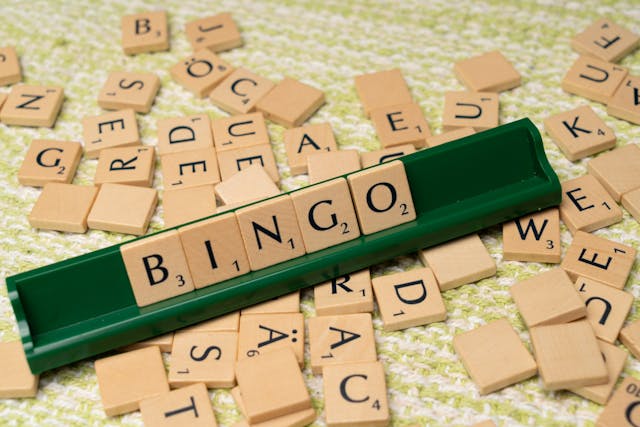
Photo by Markus Winkler on Pexels
Bravo Filipino | Examining the Impact of Online Bingo on Philippine Society: Revealing its Origins and Societal Influence | Online bingo has become an increasingly popular pastime in the Philippines over the past few years. As internet access has spread nationwide, playing bingo online provides entertainment and social connections for many Filipinos. This trend warrants an examination of the origins of bingo in Philippine culture, as well as an analysis of how the digitization of the game is now influencing society.
Understanding Online Bingo
Online bingo functions much like traditional bingo, using number callouts to mark spaces on digital bingo cards. What sets it apart is the ability to play remotely with others over the internet. Games happen in real-time, fostering a shared social experience. Players can participate publicly in site chatrooms or privately with friends. Payouts for winning are handled electronically.
The convenience and accessibility of online bingo appeals to players old and new. The game’s prevalence continues to rise as more Filipinos go online. This digital transformation of a classic pastime makes it important to trace bingo’s history in the Philippines and weigh its current societal effects.
Significance of Online Bingo in Philippine Society
Bingo has long been interwoven into the nation’s cultural fabric. Now, the popularity of playing on the internet spotlights bingo’s evolving role. Online bingo enables social connections, drives economic activity, and spreads traditionally held cultural values into the digital sphere.
As online bingo gains more participants and prominence, analyzing its origins and present-day societal impact provides useful insights. The game’s enduring and adapting presence in Philippine society reveals deeper truths about the country’s history and national character.
Origins of Bingo in the Philippines
Historical Background of Bingo in the Philippines
Bingo first arrived in the Philippines during the American colonial period in the early 20th century. Missionaries and U.S. soldiers imported the game to establish a taste of home. Its similarity to traditional Filipino numbers games like Charada and Sutokaan enabled its quick adoption locally.
After the Philippines gained independence post-WWII, bingo’s ascent continued. Catholic churches used the game for grassroots fundraising. Groups like the Catholic Women’s League hosted bingo socials to finance aid programs. This charity-driven model proved wildly successful and popularized playing nationwide.
As bingo permeated society in the mid-late 1900s, Filipino culture adapted the game into public festivals. Annual village fiestas incorporated bingo alongside traditional music, food, and dance. Its communal spirit is aligned with deeply held Filipino values of bayanihan (cooperation) and pagkakaisa (unity).
Evolution of Bingo Culture in the Philippines
From its introduction to now, bingo has been gradually infused into Philippine lifestyles. The game built on its colonial roots and charitable ties to become a custom-made cultural staple.
This evolutionary integration paved the way for organic growth in players and venues. Bingo’s familiar presence across neighborhoods, churches, and community events made its digital jump smooth and intuitive for adoption.
As internet connectivity spreads, online bingo extends social bonds and collective joy on the national scale. Understanding this cumulative evolution allows us to study how today’s digitally empowered bingo culture impacts society.
Societal Influence of Online Bingo
Social Interactions and Community Building through Online Bingo
At its core, online bingo generates meaningful social connections among players across distances. Real-time group games foster friendships within site communities. Private rooms allow friends and families to spend quality time together.
This virtual interaction strengthens relationships and support networks. Shared moments of excitement and victory build bonds. Chatting while playing alleviates loneliness and isolation for many. In these ways, online bingo’s social nature benefits society.
Economic Impact of Online Bingo on Philippine Society
The advent of online bingo also contributes to economic growth. The industry employs thousands in game development, customer service, and marketing roles. Websites generate tax revenue for the government and offer Filipino small business owners advertisement opportunities.
For players, sites provide stable income streams via player rewards programs and by paying out over 90% of deposits back into the community. These economic impacts demonstrate how online bingo meaningfully circulates wealth and opportunity.
Values Associated with Online Bingo
Cultural Relevance and Traditions Linked to Bingo in the Philippines
Modern online bingo upholds the game’s cultural spirit rooted in community and camaraderie. Joining fast-paced games with chat features brings people together for shared excitement. Group play evokes traditional fiesta energy.
Sites also honor bingo’s charitable origins by organizing occasional fundraisers for schools, churches, and non-profits. This maintains the game’s goodwill legacy. Ultimately, online bingo adapts traditions to stay culturally relevant.
Ethical Considerations and Responsible Gaming Practices
To align with Filipino values of temperance and accountability, most sites promote responsible gaming habits. They offer player protection tools like deposit limits, timeout features, and self-exclusion options.
Many platforms also invest in public education on balanced play for healthy entertainment. This ethical approach resonates with the community by showing corporate social responsibility.
Conclusion
Reflections on the Impact of Online Bingo on Philippine Society
Analyzing online bingo’s origins reveals deep cultural integration over time via colonial roots, charitable functions, and communal bonding. This history helps explain the game’s immense contemporary popularity.
Bingo’s digital transformation also spotlights positive societal impacts today. Social connections transcend distance barriers through virtual play. Economic opportunities circulate for companies and players alike. Maintaining heritage values around community and temperance helps online bingo adapt its strong cultural foothold into the modern era through responsible digitization. Tracing Bingo’s Philippine timeline and evaluating its present-day societal influence demonstrates an evolving symbiosis. As online bingo provides new forms of entertainment, economic activity, and social glue for Filipinos, playing the game online also upholds its enduring spirit and role in the national fabric. This reciprocal relationship will likely only deepen as internet connectivity spreads further across the archipelago.
Conclusion
Reflections on the Impact of Online Bingo on Philippine Society
In reflecting on the origins and evolution of bingo’s cultural integration in the Philippines, we can understand its widespread popularity today as online bingo. The game’s communal spirit, charitable ties, and alignment with Filipino values like Bayanihan and temperance enabled it to become an integral part of the national social fabric over generations.
Examining online bingo’s societal influence highlights its continuing cultural relevance through adapting traditions and norms to the digital landscape. Virtual bingo fosters connections, circulates economic opportunities, and promotes responsible gaming habits. This shows an interplay between preserving heritage and progressing digitally.
Ultimately, bingo’s enduring and adaptive integration in Philippine society, both on and offline, underscores a harmonious alignment between traditional cultural mores and modern technological advances. As Filipinos navigate an increasingly digitized world, online bingo provides meaningful continuity between the past and future through its sustained communal joy and spirit.
Photo by Markus Winkler: https://www.pexels.com/photo/bingo-is-a-game-of-chance-18512833/