
Photo by: George Buid
Israel and Philippines Forge Tech Partnership | Philippine companies are opening doors to Israeli firms. Both nations want to strengthen their global economic presence. A major business forum took place on June 16 in Taguig’s Global City. This event highlighted a growing partnership between the two countries.
The Philippines has a population of 118 million people. It offers a large talent pool and a creative workforce. However, the nation faces challenges with digital adoption. Israel is smaller in population. It possesses world-class technological innovations.
Joint initiatives aim to bridge these gaps. Collaboration will help build network resilience in the digital age. The Israeli Ministry of Economy and Industry organized the event. TradeIL Philippines led the effort to connect local and foreign firms. This business-to-business forum followed a structured framework. It promoted demand-driven interactions between delegates.
Experts believe cultural synergy will drive success. Filipino companies value teamwork and collaboration. Israeli firms prioritize a problem-solving work ethic. This combination serves as a catalyst for upskilling entrepreneurs. The Philippines has shown economic resilience for decades. It managed industrialization and digital shifts long before regional competitors rose.

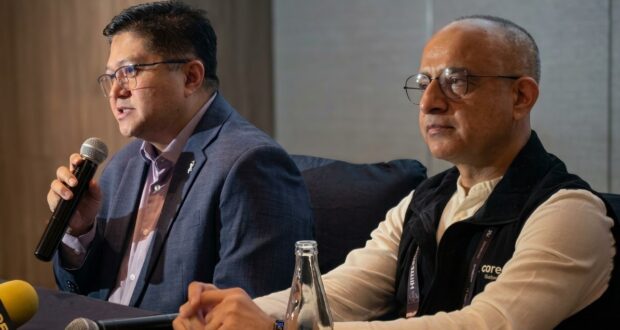
Ofek Venecianer | Photo by: George Buid
Ofek Venecianer serves as the Economic Counselor for TradeIL Philippines. He believes the local market is ready for growth. Venecianer states, “The Philippines is a suitable environment for Israeli companies to expand and scale up their operations.”
Israeli firms showcased innovations in several key sectors. These include homeland security, agriculture, and mobile technology. Other focus areas are healthcare, cybersecurity, and energy.
Several global leaders participated in the event:
Amdocs: This company leads in communications and media solutions. It expects $4.53 billion in revenue for the 2025 fiscal year.
Cato Networks: They specialize in SASE and AI security. They provide secure access solutions to clients worldwide.
Gilat Satellite Networks: The firm brings over 35 years of experience in satellite-based broadband.
Spacecom: They manage the AMOS satellite fleet. They deliver broadband and data services to Africa, the Middle East, and Asia.
Symmetrium: They offer secure mobile work solutions. Their technology creates private, isolated workspaces on any device.
Technological gaps exist between the two nations. The countries have different strengths. Israeli Ambassador Dana Kursh noted these differences. She observed that the Philippines leads in FinTech integration. Platforms like GCash demonstrate this local strength. Israel, meanwhile, focuses heavily on cybersecurity.

Israeli Ambassador Dana Kursh | Photo by: George Buid
Ambassador Kursh remains optimistic about future projects. She highlighted the health sector as a prime target for cooperation. Some joint ventures are already underway at the Rizal Medical Center.
Space technology also offers significant potential for the Philippines. Israel has made major breakthroughs in this field. The Ambassador emphasized the importance of this sector. Ambassador Kursh stated, “The future of the Philippines lies in satellite and space tech, an area where Israel has made significant breakthroughs.”
Success now depends on government policy. The Philippine government must choose to embrace these technological assets. Leveraging Israeli trade offerings could accelerate national development. Increased investment could help modernize the local economy.
Both countries stand to gain from this alliance. The Philippines offers market scale. Israel offers cutting-edge software and hardware. The partnership aims to sustain long-term growth for both parties. Industry leaders expect more collaborative forums in the near future. This trend reflects a wider move toward international tech integration. Philippine businesses continue to adapt to these global shifts. The focus remains on sustainable digital infrastructure.