
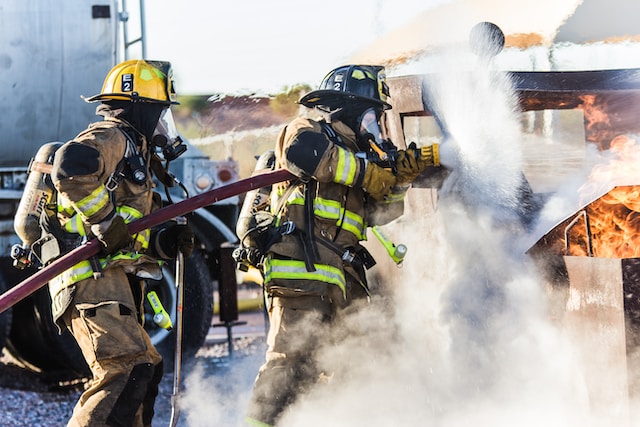
Photo by Matt C on Unsplash
BravoFilipino | Firefighting Foam Exposure: Dangers, Precautions, and More | Firefighters use a product called firefighting foam called aqueous film-forming foams (AFFF) to reduce the extent of fuel fires. No matter how good the functions of this foam are, it contains chemicals that pose a danger to a firefighter’s life.
The industry discusses harmful materials like Formaldehyde and PCBs, but discussing AFFF is rare. Have you been a first responder for many years? In that case, you might be exposed to per-and polyfluorinated substances from the firefighting foam.
That means you are at a health risk of developing cancer and thyroid diseases. This blog will discuss the dangers of AFFF, the precautions, and more.
The Dangers of Firefighting Foam
AFFF has PFAS, which is a powerful substance to extinguish liquid fires. Manufacturers have used this synthetic-based foam since the 1960s without any warning. Ideally, PFAS has a unique composition that helps extinguish Class B fires from gas and oil. The properties allowed it to create a layer on the fire and cut off the oxygen supply.
That is why it gained commercial popularity, especially in the aviation industry. However, it had sulfate particles that took hundreds of years to break down naturally. Hence, when firefighters used the product, it seeped into the group and contaminated everything.
PFAS is a forever chemical and has carcinogenic properties. Most firefighters used PFAS-made AFFF during drills and practice. As a result, it caused severe nerve disorders and various types of cancer.
The Lawsuit
For over 50 years, the industry used PFAS-contaminated foam for fuel fires even after knowing its effects. After various studies and reports, the World Health Organization classified PFAS as a “Group 1 – Carcinogenic to Humans” element. According to the Environmental Working Group, the U.S. Department of Defense knew about the dangers of PFAS elements.
Once the retired firefighters noticed a pattern, they started suing the companies and manufacturers. Hence, giving rise to a famous firefighting foam lawsuit.
Shane Nantz was one of them. He is a second-generation firefighter who sued 14 AFFF producers stating that his family has been affected. Nantz sued them for PFAS contamination and failure to warn.
According to TorHoerman Law, companies like DuPont and 3M have paid USD 671 million and USD 54 million respectively to affected individuals. They also state that the lawsuit is ongoing. Hence, the final payout will depend on the verdicts.
Side Effects of Exposure to Firefighting Foam
Industry workers, military personnel, firefighters, and their families can have PFAS exposure from inhaling, drinking, or touching. PFAS can affect people who are in direct or indirect contact. For example, if you are a manufacturer of PFAS, then your family and friends might be at risk.
The granular particles can be ingested orally or via skin-to-skin absorption. At the same time, individuals living near an AFFF factory or fire station using PFAS are at risk of exposure.
Prolonged exposure to PFAS can lead to side effects like:
- Liver enzyme secretion issues
- Changed hormonal imbalance
- Drop in immunity
- High cholesterol levels
- High blood pressure risks
- Cardiovascular issues
- Different types of cancer
- Lower birth weights in babies
- Pre-eclampsia during pregnancy
- Lowered vaccine response
- Development of thyroid
- Asthma and lung disorders
- Fertility issues and stillbirths
- Skin and eye irritation
Furthermore, PFAS exposure can cause children to have developmental disorders. According to the U.S. Fire Administration, only long-term AFFF exposure causes such issues to develop.
Precautions You Should Take if Exposed to PFAS
If you or your family have been exposed to PFAS elements for a long time, you should consult a doctor. Have you recently worked with AFFF containing PFAS elements? In that case, you should remove the contaminated clothes and other elements to sanitize them.
Ensure to wash yourself properly with soap once you are back from duty. You can use cleaning wipes to help clear out the residue from your body.
As a precautionary measure companies should invest in AFFF products that are PFAS-free. Moreover, you can wear proper PPE or SCBA kits while handling fuel fires where PFAS is a necessity. You should sterilize all equipment if they are exposed to PFAS.
The Bottom Line
Firefighting foam that helps with fuel fire contains PFAS elements. These are unnatural and have harmful silicate minerals in them. As a result, it causes cancer and other health issues in humans.
Once it seeps into the ground, it can contaminate water and vegetation. Moreover, it is a forever chemical that cannot break down naturally.
Firefighters, industry workers, airport officials, and manufacturers were exposed to this chemical for a long time. Since PFAS can spread from contact, their families were also affected. Once researchers found out the harmful effects, these individuals became furious and filed a lawsuit against manufacturers.
You can follow the precautionary measures shared in this blog to avoid PFAS contamination.