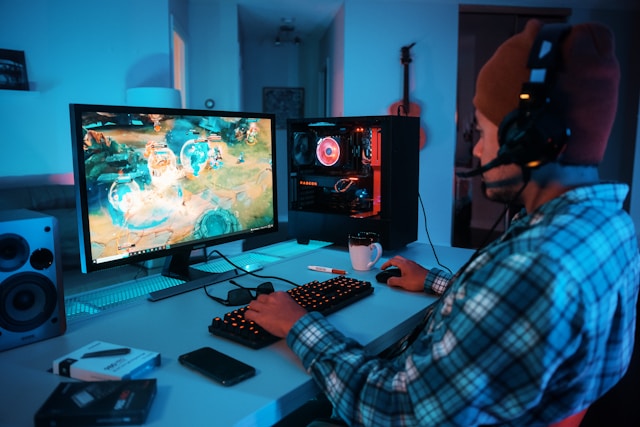
Photo by Samsung Memory on Unsplash
bravofilipino | 7 Key Reasons Livestreaming Succeeded in the Philippines | By 2026, livestreaming has become a familiar part of digital life in the Philippines. What started as a niche form of online entertainment has grown into a mainstream activity that blends content creation, social interaction, and digital commerce. This shift is closely tied to how audiences support creators through virtual gifting systems, often managed via services such as poppo live recharge coins and bigo recharge, which have become part of the everyday livestreaming ecosystem.
Before examining these factors in detail, it is important to understand that livestreaming succeeded not because of technology alone, but because it aligned with how people in the Philippines already communicate, socialize, and spend time online.
7 Key Reasons Livestreaming Succeeded in the Philippines
Below are the key elements that explain how livestreaming found its place in the Philippines.
1. Mobile-First Internet Culture
The Philippines has long been a mobile-first market, with smartphones serving as the primary gateway to the internet. Livestreaming platforms adapted well to this environment by offering lightweight applications optimized for mobile data usage. This accessibility allowed creators to stream from almost anywhere and enabled audiences to watch, interact, and participate without complex setups. The ease of entry lowered barriers for new streamers and encouraged widespread adoption.
2. Strong Social Interaction and Community Focus
Livestreaming platforms thrive on real-time interaction, which resonates strongly with Filipino online culture. Features such as live chat, audience shoutouts, and interactive challenges create a sense of shared presence that traditional video formats lack. Over time, livestreams evolved into digital gathering spaces where viewers return not only for content but also for the community built around specific streamers.
3. Diverse Content Beyond Gaming
While gaming streams played an early role, livestreaming in the Philippines expanded far beyond that category. Music performances, casual conversations, lifestyle content, and talent showcases became increasingly common. This diversity allowed livestreaming to reach broader demographics, including audiences who were not traditionally engaged with gaming or tech-focused platforms.
4. Low Barrier For Content Creation
Compared to professionally produced video content, livestreaming requires minimal equipment and editing. A smartphone, a stable internet connection, and a platform account are often sufficient to start streaming. This simplicity empowered more individuals to become creators, including those outside major urban centers. As a result, livestreaming content reflected a wider range of voices and local perspectives.
5. Economic Opportunities For Streamers
By 2026, livestreaming has become a legitimate income source for many creators in the Philippines. Earnings are not limited to advertising or sponsorships, but also come directly from audience support. This direct connection between creators and viewers changed how content was valued, making consistent engagement more important than viral reach.
6. Platform Localization And Regional Adaptation
Livestreaming platforms invested in localization by supporting local languages, culturally relevant content categories, and region-specific events. This approach helped livestreaming feel less imported and more embedded in local digital culture. Platform policies and features were adjusted to suit regional norms, further encouraging long-term adoption.
7. Virtual Gifting Systems As A Core Driver
The most influential factor in livestreaming’s growth has been the virtual gifting system. Digital gifts allow viewers to support creators in real time, turning engagement into tangible value. These systems create a feedback loop where creators are motivated to maintain consistent schedules and interactive formats, while viewers feel more connected through visible contributions. Over time, gifting evolved from a novelty into a central economic mechanism that sustains the livestreaming ecosystem in the Philippines.
By bringing together accessibility, community-driven interaction, and monetization through gifting, livestreaming established itself as more than a trend. It became a stable part of digital entertainment and social expression in the Philippines.
As livestreaming continues to be more bigger, reliable access to gifting and recharge services remains essential. For those who actively participate in livestreaming platforms, Joytify provides top up services for digital gifts across platforms such as Bigo and Poppo, supporting both viewers and creators within this growing ecosystem.